
Thiruvananthapuram's stray dog relocation drive faces questions over transparency
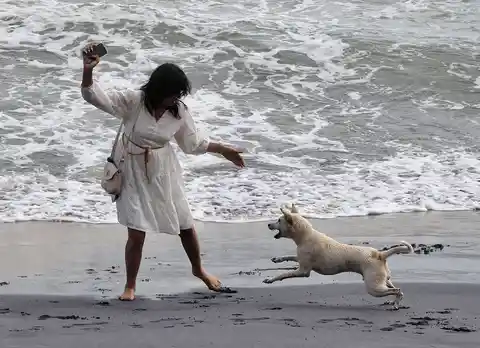
A stray dog attacks a visitor at Kovalam beach on TuesdayB P Deepu
For years, stray dogs have remained one of the most debated civic issues in Thiruvananthapuram. Today, however, it has taken a more complex turn.
While the corporation says it has found a remedy, some animal welfare groups allege that the measures lack transparency.
The central question is no longer whether the problem exists, but how to resolve it humanely.
Most residents oppose the presence of street dogs in their neighbourhoods, though a committed group of community feeders continues to provide food, water and veterinary care.
Between these opposing positions lies the challenge of finding a solution that protects both public safety and animal welfare.
What concerns animal rights groups most is what they describe as the "mystery" surrounding dogs removed from city streets.
"There is no transparency about where the dogs are taken after they are picked up. Even staff at some Animal Birth Control (ABC) centres claim they do not know," says Sreedevi S Kartha, secretary of Peoples For Animals (PFA), one of the two Animal Welfare Board-certified NGOs operating shelters in the city.
"Dogs are brought in for sterilisation and vaccination, after which they are taken away in vans that arrive at night. Where they go and how they are kept remains unknown."
Sreedevi says volunteers attempted to trace the destination of the dogs and located a private farm near Kottoor, on the fringes of a forest.
"We found a seven-acre compound with about 11 dogs. Local residents told us they had seen vehicles bringing dogs there," she says.
There are also allegations that dogs are being culled. "If that is true, it is heinous and contrary to Animal Welfare Board guidelines as well as Supreme Court directives," says advocate
Sreelatha Nair, who has been associated with animal rights groups.
She notes that the court's position has evolved over time. While it had earlier prohibited the release of sterilised dogs back into public spaces, subsequent orders permitted the return of healthy, non-rabid dogs in certain circumstances.
Rain shows up the flaws in Inverloch's dog park
Fixing the street dog problem means working with animal welfare groups
Dogs take over the fairgrounds for the Lost Coast Kennel Club show
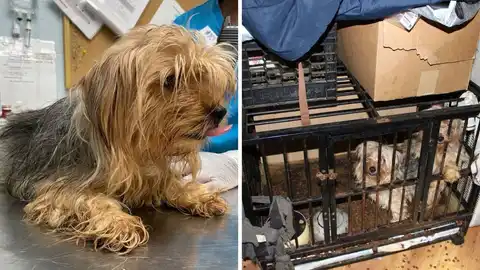
Ulster County SPCA shares a happy update on the Yorkie rescued from a breeding case
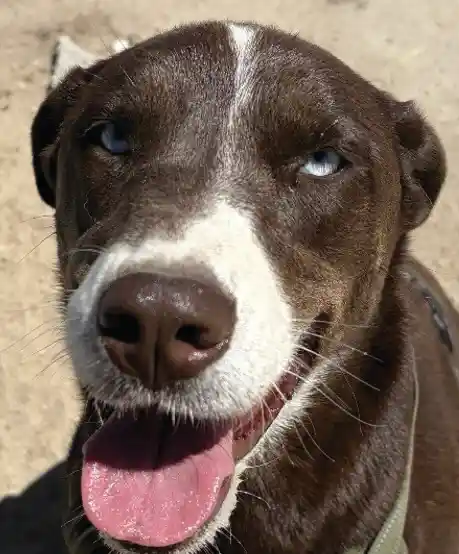
Meet Toffee, the husky-dalmatian mix who's also an escape artist

Dogs notice when the clocks change, even if they can't tell the time