
Protecting native birds without putting pet cats at risk
The Department of Conservation's (DoC) recent decision to include feral cats in its Predator Free 2050 strategy has reignited debate over how to protect native wildlife while keeping pet cats healthy.
Conservation groups estimate that feral, stray and domestic cats collectively kill up to 100 million birds every year in New Zealand. More than 90 bird species are endemic to New Zealand, with 70 to 80 either threatened or at risk. Forest & Bird says companion cats hunt even when well-fed, preying on adult birds, chicks and eggs.
However, the perception that keeping cats indoors is cruel continues to divide owners on social media. SPCA and Forest & Bird take the position that responsible cat ownership can benefit both cats and conservation of native bird, insect and lizard species.
"It's not a choice between caring about cats and caring about wildlife. Cats are much-loved companions, and responsible cat ownership benefits wildlife while also improving cat welfare by reducing the risks of injury, disease, fights with unowned cats, displacement and abandonment," a Forest & Bird spokesperson says.
SPCA Senior Scientific Officer Dr Christine Sumner says it is important not to villainise cats or their owners, but instead encourage practical ways for people and wildlife to coexist.
"A lot of people think keeping cats inside is like taking something away from them. Some people see being outdoors as a source of enjoyment, where they get their exercise and do what cats do. All of these things are important, but they can be done on your own property," Sumner says.
She also says companion cats can also contribute to the problem when they become lost or are not desexed.
"It's like bailing a boat without fixing the hole - we need to make sure more water isn't coming in."
The country leads the world in pet cats per capita, with around 40 per cent of New Zealand households own cats, and the SPCA says cats that are not desexed and allowed to roam can contribute to stray and feral cat populations.
Sumner says desexing and microchipping are among the most effective ways owners can help reduce those risks.
"Biodiversity is in your backyard... There are things you can do as a cat owner to reduce the amount your cat kills."
The SPCA recommends keeping cats indoors, or allowing them outside only under supervision or within a secure outdoor enclosure, can help protect native wildlife while also reducing the risk of injury, disease and getting lost.
Sumner says this not only benefits conservation, but also keeps cats safer and healthier.
"Your cat can be happy at home, it just comes down to making that space," she says.
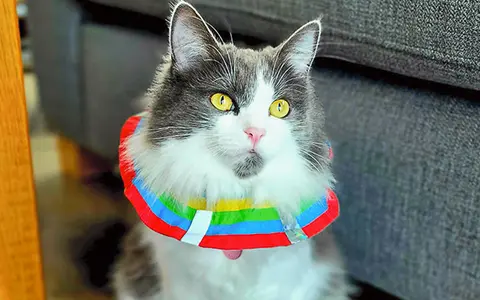
Forest & Bird also suggests keeping companion cats indoors from dusk until dawn, when many native birds are roosting and less able to escape predators. The organisation says enclosed outdoor spaces, or "catios", can also give cats access to fresh air while preventing them from hunting wildlife. It also supports bird-safe collars or brightly coloured collar covers as another way to reduce hunting success for cats that spend time outdoors.
We want to hear from you. What do you think is the best way to protect our native wildlife while ensuring pet cats live happy, healthy lives?
Woman's Cats Come to the Rescue When the Toilet Paper Runs Out
Why Keeping Your Cat Indoors Saves Birds
Asia's Overlooked Leopard Cat: Widespread, but Poorly Understood
Meet the Australian Kitten Whisperer Who Has Rescued More Than 300 Abandoned Cats

Did a hawk take his cat? A North Park man thinks the video has the answer
Why it's worth keeping an eye on how much your older cat drinks