
Why it's worth keeping an eye on how much your older cat drinks
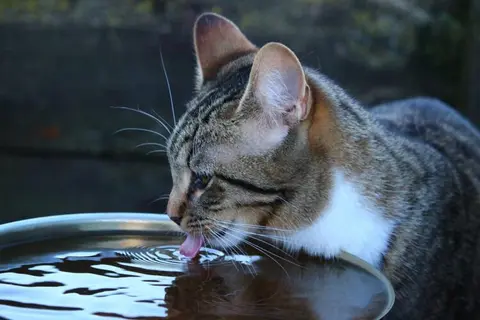
Water is critical to keeping your cat healthy. Cats as a species don't have a high thirst drive, and this can lead to chronic low-level dehydration, especially if a cat is fed mostly dry food. On the flip side, a cat who drinks too much water may be a warning sign. Tracking your cat's daily water consumption can provide important clues to her health.
It may sound excessive at first, but when it comes to senior cats, tracking water intake is one of the simplest and most valuable things you can do at home.
Increased thirst may be the first clue that something is wrong
Cats are masters at hiding illness. One of the earliest changes you may notice isn't a limp, vomiting, or loss of appetite. It's that they're drinking more water. The tricky part is that gradual increases are easy to miss. If you top off the water bowl every day, you probably won't notice that your cat is drinking an extra ounce or two. But over weeks or months, those small changes can add up to an important warning sign.
Several common diseases in older cats cause increased thirst long before more obvious symptoms appear. These include chronic kidney disease, hyperthyroidism, diabetes and some urinary tract conditions. The sooner these conditions are recognized, the sooner treatment can begin, and in many cases, early intervention can significantly improve both quality of life and long-term outcomes.
What is normal water intake?Every cat has their own normal. A cat eating canned food will naturally drink much less than one eating only dry food. Canned food contains around 75-80% moisture. Activity level, weather, medications, and even stress can also affect water intake. This is why it's important to establish a baseline.
Knowing that your cat typically drinks about 5 ounces a day is far more useful than simply saying "he doesn't seem to drink much." Once you know what's normal for your cat, changes become much easier to spot.
Measuring water is easier than you thinkSimply measure how much water you add to your cat's bowl each morning using a measuring cup, then measure what's left 24 hours later. The difference tells you approximately how much your cat drank. If you have multiple cats, this becomes more challenging. The only truly reliable way to track water intake for multiple cats is probably to use a microchip-activated water fountain or bowl.
I still think it's useful to use the measuring cup method in a multiple cat household to cat a sense of how much all of your cats drink in one day. Then, if you notice a significant difference, it's time to do some detective work to figure out which cat might be the one with increased thirst.
Keeping a simple notebook or spreadsheet can help you identify trends over time. The goal here isn't to obsess over every ounce. It's to notice meaningful changes.
Water fountains make it hard to track water intake
Fountains are a wonderful way to encourage hydration, but they make it nearly impossible to know how much your cat is actually drinking. Water evaporates, splashes, and circulates continuously, making accurate measurement difficult. If your cat uses a fountain, consider switching to a regular bowl if you suspect something may be changing.
Tracking water intake is most important for senior cats
As cats get older, the risk of chronic diseases increases. That's one reason I encourage senior cat parents to make water monitoring part of their routine. You don't have to measure every day forever. Even tracking your cat's water intake for one week every month can help you establish what's normal and alert you to changes that deserve attention.
When to call your veterinarianIf your cat's water intake increases noticeably over several days or weeks, or if increased drinking is accompanied by increased urination, weight loss, changes in appetite, vomiting, or decreased energy, it's time to schedule a veterinary visit.
How I measure Allegra's water intakeI purchased this water bowl several years ago, and it's come in handy over and over again. With Allegra's multiple health issues, her water consumption isn't always consistent, and I like knowing what's normal for her and what's not. Plus, she really likes this bowl.
I have always kept track of water intake and litter box output, but without measuring. After Ruby's illness, I've become a lot more vigilant, and this bowl makes it so easy. I just make sure I always fill it to the same mark.
The ceramic bowl comes in two sizes - we have the extra tall version - and is microwave and dishwasher safe. It is available from Amazon.
Image by rihaij from PixabayPurrs of Wisdom is a participant in the Amazon Services LLC Associates Program, an affiliate advertising program designed to provide a means for us to earn fees by linking to Amazon.com and affiliated sites. This means that if you decide to purchase through any of our links, we get a small commission. We only spread the word about products and services we've either used or would use ourselves.
Woman's Cats Come to the Rescue When the Toilet Paper Runs Out

Why Keeping Your Cat Indoors Saves Birds

Asia's Overlooked Leopard Cat: Widespread, but Poorly Understood
Meet the Australian Kitten Whisperer Who Has Rescued More Than 300 Abandoned Cats

Did a hawk take his cat? A North Park man thinks the video has the answer

Pat McAfee's wife mourns a personal loss, with support from Adam Schefter and others