
Long-billed curlews nest in the fields around the Okanagan every spring
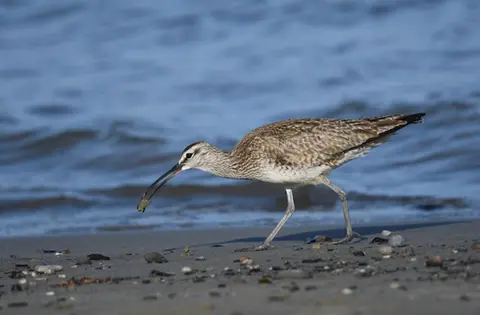
It's Wildlife Wednesday and this week the North Okanagan Naturalists Club is featuring a long-billed curlew.
It's Wildlife Wednesday and this week the North Okanagan Naturalists Club is featuring the long-billed curlew.
Every week on their Facebook page, the club features a different critter that lives in the area.
This week is the long-billed curlew, a bird that is currently on the British Columbia blue list registered as special concern, said the post.
"Curlews require fairly large areas of level to gently sloping grassland with short vegetation and no trees for nesting," the post said. "Families of curlews will often move to lush cultivated fields once the young have fledged."
Curlews generally avoid nesting near treed areas and forage for food in hayfields, pastures, meadows and grasslands.
The club said the Commonage area south of Vernon has suitable habitat for of the long-billed curlew.
According to a provincial website, the curlew is the largest shorebird in British Columbia. It is unique-looking as it has a 19-cm long bill that is used to probe into borrows of insects and other small creatures.
Along with insects, the birds will sometimes eat toads, slugs, snails, berries and even nestling birds.
During the breeding season, the birds can be found from the southern Canadian prairies and the B.C. Interior and all the way down to Texas and Utah.
As early as July, the birds migrate to the southern United States, Mexico and Guatemala where they spend the winter.
They head back north to breed in March and April.
In B.C., they breed on the grasslands west of Williams Lake, as well as in the Okanagan, Similkameen and Nicola valleys.
Before they were legally protected in the early 1900s, long-billed curlews were decimated by hunters along the Atlantic coast.
"They were eliminated from many parts of their range by the expansion of agriculture on the plains and prairies in the 1930s. Today, habitat loss continues to threaten this species," the province said.
Use of land for farming or urban development removes or breaks up the large areas of undisturbed grassland the birds need.
The bird has already disappeared from most parts of eastern Canada and the eastern United States.
Human disturbance is one of the factors that may be reducing their numbers.
People should keep away from nesting habitat and, especially, should not drive off-road vehicles across these areas.

At least 655 pigeons shot at London Tube stations during a cull

The seven-year-old behind the viral bird calls reveals what's next
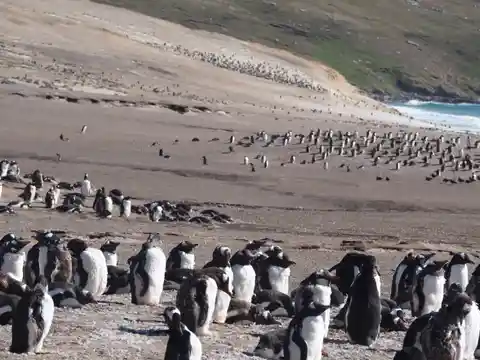
What a trip to the Falklands taught me about penguins
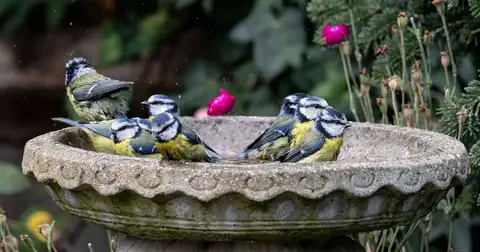
One simple change will keep small birds coming to your birdbath all summer

Pigeons cracked a problem built to defeat rule-followers, and it says something about AI

Florence County Library brings in an exotic animal rescue