
What a trip to the Falklands taught me about penguins
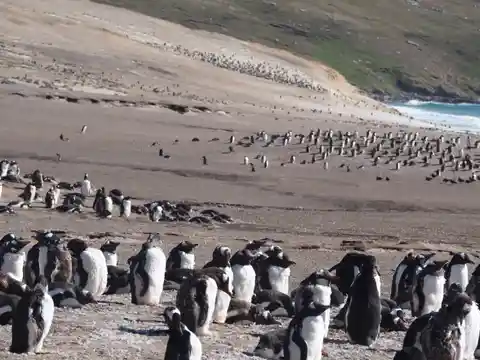
Many of us have favorite animals and even have stuffed versions as reminders. One of my favorites has always been the penguin. How can you resist the silly, waddling black and white birds? Many years ago, on a trip that would take me up the western coast of Patagonia, our first stop was the Falkland Islands, 300 miles east of the Argentine coast. We met our ship in Stanley Harbor on East Falkland Island and set out on what would be a several-week adventure. Our first stop did not disappoint. Saunders Island is primarily a sheep farm, but more importantly, home to thousands of penguins.
Anticipation ran high as we prepared for our first Zodiac adventure. In groups of 6 to 8, we climbed into the Zodiacs and headed for shore, equipped with cameras and binoculars. As we grew closer, it became evident that there was quite a large greeting party. Hundreds and hundreds of dapper penguins were standing around, not the least bit concerned about our invasion. As we landed on the beach and spread out to explore the island, the many groups of penguins stood around in clumps. On that very special day, we saw five different kinds of penguins: gentoo, rockhopper, Magellanic, king, and macaroni.
On our hike around the island, we were treated to amazing sights as we climbed a gentle hill and views of a Mediterranean green-blue ocean. Small Commerson's dolphins played in the waves. We came upon a nesting area where black-browed albatross cared for their young atop their distinctive chimney-pot nests built of dirt, rock chips, feathers, and guano. Like their island friends the penguins, the albatross spend their time hunting food for their fast-growing young.
Penguins are aquatic and flightless. They catch their food underwater and raise their young on land. Their distinctive tuxedo-like coloring is called countershading, a form of camouflage that keeps them safe in the water. Penguins are social birds. Many species feed, swim, and nest in groups. During the breeding season, some species form large groups, or "rookeries," that include thousands of penguins. Each penguin has a distinct call, allowing individuals to find their mate and their chicks even in large crowds of other penguins. Penguins are incredibly devoted parents. They take turns protecting the eggs and feeding the chicks, sometimes in freezing rain.
So what is so special about a penguin and getting to see them up close and personal? What's not to love? They sport dapper black-and-white attire and a jaunty, cocky countenance. Their values are admirable. They stick together, value family, and raise their young together. Clearly, Patagonians love their penguins and the example they set for us all -- you cannot miss penguin souvenirs -- hats, shirts, coffee mugs, and even earmuffs at every stop along our way.
Exploring Patagonia offered many memories. Cruising along the coast, we witnessed spectacular landscapes, towering granite peaks, turquoise lakes, and glaciers. One of my best memories will always be Saunders Island and the acres of penguins I met on a magical day.

At least 655 pigeons shot at London Tube stations during a cull
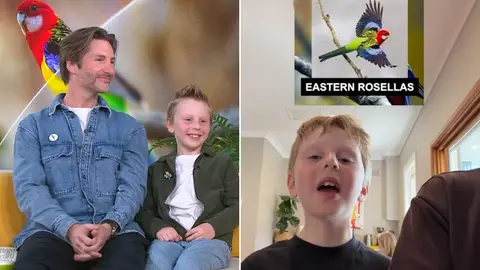
The seven-year-old behind the viral bird calls reveals what's next
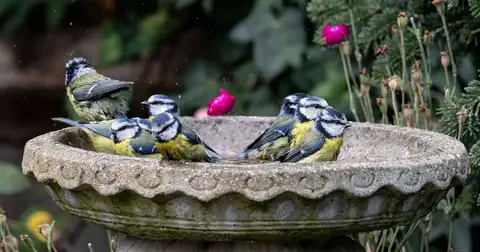
One simple change will keep small birds coming to your birdbath all summer
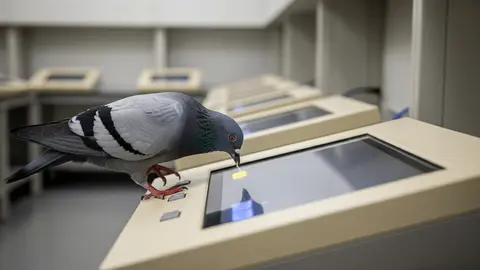
Pigeons cracked a problem built to defeat rule-followers, and it says something about AI

Florence County Library brings in an exotic animal rescue
Point Defiance Zoo closes its puffin habitat after three birds die