
Sargassum seaweed piles up on Marco Beach as turtle season hits 162 nests
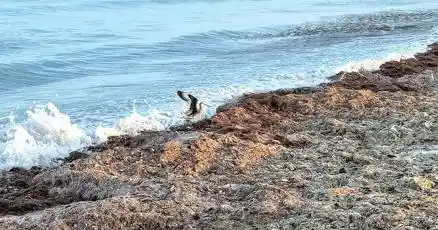
Just twelve weeks into the sea turtle season, Marco has already recorded 162 nests with 32 hatched nests, all of them from loggerhead sea turtles.
According to David Godfrey, Director of Sea Turtle Conservancy in Gainesville, "I don't know that this year is going to be a record year, but it's certainly going pretty well."
Godfrey also added, "I do hear that sargassum seaweed floating up on some southern beaches is a little bit of a growing concern because it can deter the female turtles from coming offshore and is certainly challenging for any emerging hatchlings if they happen to encounter large piles of the stuff as they're trying to reach the sea. But other than that, it seems like a pretty normal year so far."
On Marco Island, sargassum seaweed has blanketed long stretches of its beaches, posing a smelly and messy inconvenience for beachgoers. According to sea turtle experts, "Sargassum is an important habitat for young sea turtles when it's out offshore and that's where the hatchlings swim out to as soon as they get off the beach." But on land, these piles of sargassum seaweed can hinder a sea turtle hatchling from making it to the open ocean quickly. As more and more sargassum seaweed is washed ashore by the currents and the wind, it can act as barriers to baby sea turtles. Hatchlings can get stuck or entangled in the massive clumps, slowing their journey to the ocean. The more time the hatchlings stay on the beach, the more at risk they become from predators such as the hungry shorebirds feasting on the fresh bounty brought up by the mats of seaweeds.
The University of South Florida's Optical Oceanography Lab, which tracks sargassum by satellite, says 2026 is on pace to be a record year, with the peak typically hitting in June or July. The heaps of seaweeds are also catching many visitors to Marco beaches by surprise as they come ready to enjoy our wide and pristine beaches. As the clumps of brown seaweed bake under the extreme Florida sun, they begin to decay, releasing an unpleasant odor which makes a beach visit less enjoyable.