
Culling starts in the national parks, but nobody knows if it's working
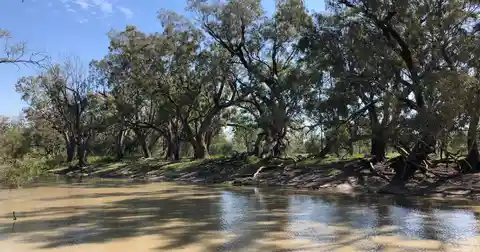
The numbers are in on the latest round of pest control in NSW national parks, with more than 12,000 invasive animals culled across reserves across the state's north-west so far this year.
Aerial culling teams removed more than 3000 vertebrate pests in a recent 82-hour action across the Bourke region, targeting pigs, goats, and deer.
The numbers climbed to a total 12,640 animals controlled by the program, including 7023 pigs, 4664 goats, 603 deer, 243 horses, 58 cats, 37 foxes, nine wild dogs, two donkeys and one camel. Further pig and cat control efforts from Local Land Services pushed the total to 19,446.
Pest control has remained in the sights of landholders, including those neighbouring state conservation areas and national parks. In a fight against the clock, advocacy, conservation, and hunting groups have called for expanded funding to combat the growing threat.
"The perception that actions to date have been effective are plainly wrong," NSW Farmers' environment policy director Nick Savage previously told The Land, after a new review into pig and deer management in NSW was announced in March.
"We need to break breeding cycles and have coordinated actions from government and landholders."
While Australian Pig Doggers and Hunters Association president Ned Makim supported the review, he said without numbers on invasive species populations across NSW, producers, pest controllers, hunters and parks staff were effectively flying blind.
"We have nothing to gauge the success or otherwise of any of our programs against, and that's where I'd like to see the debate going to next," he said.
"None of us have enough data to be able to say who is gaining any ground, if any of us are at all."
Mr Makim said the 'top-down' approach to managing invasive species was clearly not working, and called for greater engagement with grassroots hunters, land managers, and Local Land Services staff.
"One of the theories in the pest management is to focus on impacts rather than numbers, but we can't even work that out if we don't have a better estimate of how many pigs there are," he said.
"More dead pigs (and other vertebrate pests) indicate that we're heading the right direction.
"But how much of an impact that is having is absolutely up for debate, because we don't have the key numbers."
NSW Parks and Wildlife Service (NPWS) director northern inland branch, John Whittall, said the results showed the scale of work underway across the district, particularly for sustained pest animal control.
"We're working closely with neighbours, local communities and Aboriginal Owners to deliver coordinated, landscape-scale outcomes that benefit both the environment and surrounding landholders," he said.
"With more work to come this season, including aerial baiting, we'll continue to build on this momentum and target feral animal populations where they have the greatest impact."
A spokesperson for NPWS confirmed further operations were also slated for Toorale State Conservation Area and National Park, Macquarie Marshes, Gwydir Wetlands, Narran Lake Nature Reserve and Gwydir River State Conservation Area, Gundabooka SCA and NP and Culgoa National Park.
"All NPWS field staff contribute to pest management programs, with rangers involved in planning and delivery, specialist staff providing coordination and oversight, and field officers involved in preparation and delivery," the spokesperson said.
"NPWS notifies all neighbouring landholders at least two weeks prior to operations. This includes aligning aerial and ground-based pest control activities with Local Land Services and neighbouring properties to maximise effectiveness across the landscape."
The NPWS aerial culling program has not been without controversy, after five domestic horses were shot and killed at Thurloo Downs as part of culling in the newly acquired national park in late 2025.
At the time, state Environment Minister Penny Sharpe said there was "nothing good" about the incident, with a "terrible outcome".
"There had been an incident where [National Parks] were working for a couple of days, and they shot five domestic horses that were owned by the neighbours next door that were on the Thurloo property," Ms Sharpe told NSW Parliament in October last year.
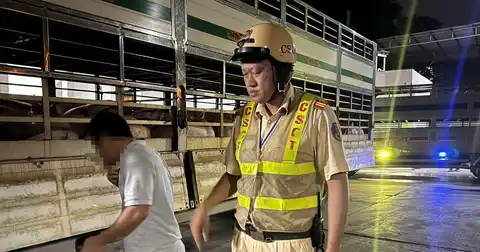
Police in Ho Chi Minh City stop two trucks carrying over 200 pigs positive for salbutamol
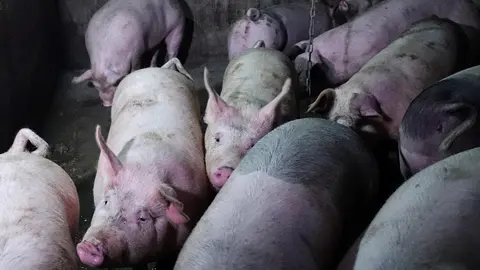
Veterinary department culls 31 pigs at Rohit Sahu's farm
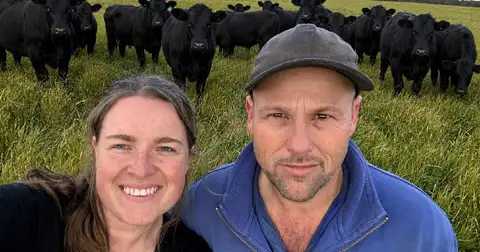
Illa Langi's paddock-to-plate pork is starting to pay off

The time Sam Neill did yoga with his pig

This World Cup season, the goal is stopping African swine fever
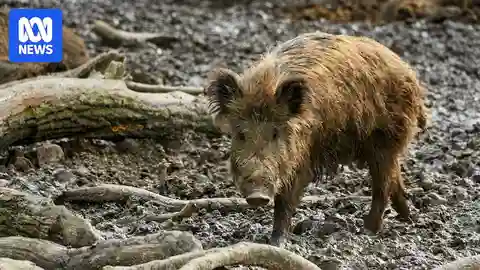
Feral pigs tear through farmland in New South Wales