
China's pig prices hit a 16-year low
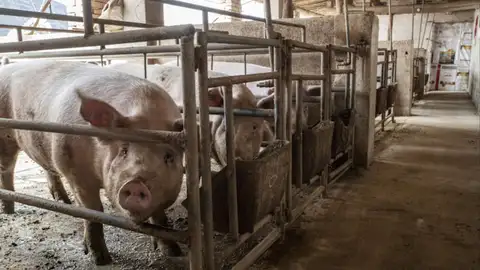
Chinese pig prices are closing in on lows last seen in 2010, as overproduction in the world's biggest market for the animals adds to the deflationary pressures sweeping across the economy.
Live pigs ready for slaughter on Thursday hit fresh lows of Rmb9.59 (US$1.4) per kilogramme, according to data from agriculture consultancy Shanghai JC Intelligence -- the lowest for 16 years and well below the cost of production.
Pork prices, at Rmb22 per kg, have also plummeted to their lowest level since October 2021, according to weekly official data published on Wednesday.
Pork, a staple of the national diet and a major item in the basket of goods making up China's consumer price index, is a crucial commodity in an economy where President Xi Jinping has stressed the need for greater food self-sufficiency.
But after years of encouraging farmers to scale up production, which led to a wave of new capacity including vast multistorey farms, Beijing is now struggling with a glut of pigs.
Prices have continued to fall even after the agriculture ministry and the National Development and Reform Commission, China's top economic planner, last week cautioned that prices were in a "warning zone" and said it was buying frozen pork for state reserves. With farmers under mounting financial pressure, authorities are stepping up a campaign to rein in pig production that echoes wider efforts to tackle deflation.
"It's been a whipsaw, they were doing everything possible to increase production and a few years later told to cut it," said Darin Friedrichs, an agricultural analyst and director at Sitonia Consulting.
Herds were culled in their millions following an outbreak of African swine fever in 2018, prompting one senior official to say it was a "major political task" to increase production in 2019.
Official edicts have in recent years swung back in the other direction and China's new five-year plan, formalised this month at the country's main parliamentary gathering, emphasises the need to "strengthen the comprehensive regulation of pig production capacity".
Friedrichs said enforcement had been limited so far but he expected a "stricter" approach from the government. "It's sort of the anti-involution we've been seeing in other markets in China," he said.
Industries in China from coffee to electric vehicles are increasingly characterised by so-called involution, or excessive price competition, part of overarching deflationary pressures that include weak consumer demand.
Authorities have from 2024 targeted 39mn breeding sows, a critical metric closely watched by analysts and farmers planning for the months ahead. A single sow can give birth to well over a dozen piglets annually.
The total has remained consistently above that level, and was most recently recorded at 39.61mn at the end of last year.
China's agriculture ministry has for years published monthly data on the number of breeding sows, but no numbers have been published so far in 2026.
Analysts anticipate numbers will still be released this year on a quarterly basis, when they are separately published by the National Bureau of Statistics. The ministry and NBS did not respond to a faxed request for comment.
Pig farmers including Muyuan, the world's largest which recently listed in Hong Kong and is now active in Vietnam, are facing pressure from falling prices. Muyuan said in an exchange listing that it sold 4.6mn pigs in February at Rmb11.59 per kg, down 19 per cent year on year.
Authorities in China have regularly discontinued economic data series at times of sensitivity or distress, including a land sales series amid a property crunch and for youth unemployment in 2023.
A fall in the number of sows could prompt farmers to increase production again. "There was no explanation," said Friedrichs, of the cessation of the monthly sow data. "It leaves the market in the dark as to how much [the population] has been cut."
Additional reporting by Wang Xueqiao in Shanghai, and Wenjie Ding and Tina Hu in Beijing

Police in Ho Chi Minh City stop two trucks carrying over 200 pigs positive for salbutamol
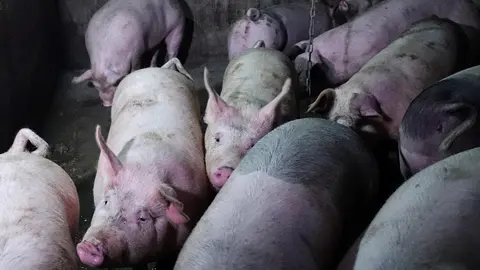
Veterinary department culls 31 pigs at Rohit Sahu's farm
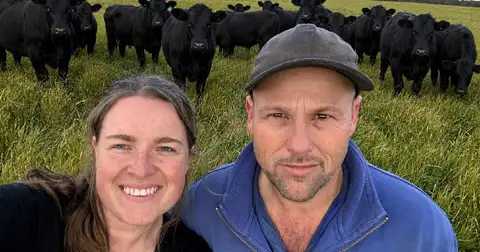
Illa Langi's paddock-to-plate pork is starting to pay off

The time Sam Neill did yoga with his pig

This World Cup season, the goal is stopping African swine fever
Feral pigs tear through farmland in New South Wales