
Cape Flats fish sellers brace for Easter with snoek stocks low
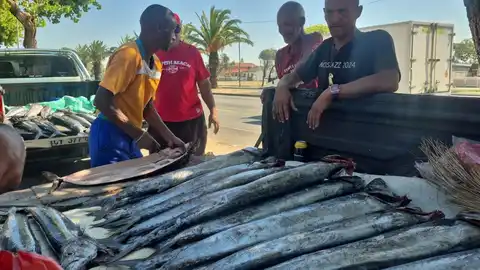
ELKE jaar, as Easter's much anticipated Good Friday pickled fish rush approaches, but year on year, decreased snoek stocks are affecting hawkers and customers.
Fish smouse across Cape Town are currently bracing for one of the busiest trading periods of the year. The demand for fresh fish surges in preparation for traditional holiday meals.
For many traders, the next two weeks are not only about meeting demand, but also about securing enough income to sustain their families through the months ahead.
Yet this year, hawkers say they are under growing pressure due to a continued shortage of snoek - one of the Cape's most important and culturally significant fish species.
Declining catches have placed strain on local fishers and opened the door to increased imports of Barracouta (Thyrsites atun) from New Zealand, often sold as snoek in local markets. This shift has raised questions about the future of coastal livelihoods and the reliability of supply chains.
At the Klipfontein fish market in Athlone, hawker Mr Brown, known locally as "Don't Go Around", has worked in the trade for decades as one of four bakkie operators in the area.
Brown said: "We sell fresh snoek every day. The price of the snoek depends on the size of the snoek and it's never the same every day.
"We also give discounts, so we try our utmost best to render good service to the community."
Some local fishers argue that large international trawlers, equipped with advanced technology and powerful lighting systems that attract fish, are contributing to reduced availability in traditional fishing areas. Smaller operators say they are often left with limited catches after long trips at sea.
Another hawker added: "In the past, we would have one bakkie load come back from Ysterfontein with about 200 snoek on it, you sell it chop-chop, and within the next two hours there is another bakkie. Now you hardly sell about 25 fish a day."
In Mitchells Plain, Town Centre hawker Desna Abrahams, affectionately known as "Antie", said the situation is becoming increasingly difficult for small traders and fishers alike.
She explained: "Trawlers are picking up all the fish now. By the time our boats must go and catch the fish, there's nothing.
"They use a certain light on the water and it draws the fish. Then they take all the fish. By the time our guys must go out, there's no fish.